How to Automate Multiple Trading Pairs From One TradingView Account
Most traders start automation with a single chart: one strategy, one pair, one alert. It works, so you add another pair. Then a third. Soon you want to automat...
Read more
A TradingView alert cooldown adds a minimum gap between automated orders so a burst of rapid signals becomes one deliberate trade. Learn what it is, how it differs from deduplication and rate limits, where to enforce it, and how to size the window.
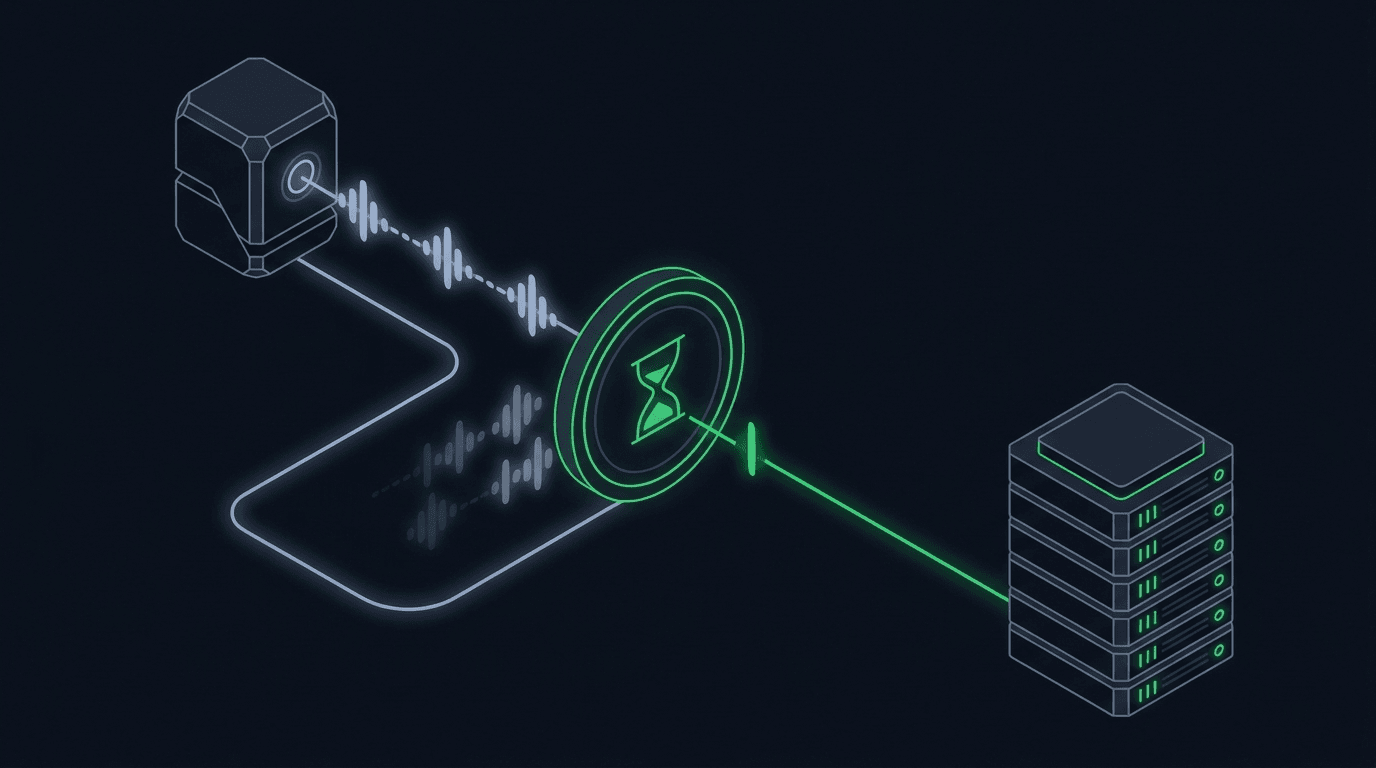
Your strategy is working, alerts are firing, and orders are reaching the exchange. Then the market chops sideways, your indicator flips back and forth across its trigger, and within a minute the same alert has fired five times. Each firing sends another order. That is the problem a TradingView alert cooldown solves: a minimum waiting period between orders so that a burst of rapid signals turns into one deliberate action instead of a stack of unwanted trades.
This guide explains what a cooldown actually is, why automated strategies over-fire in the first place, how a cooldown differs from deduplication and exchange rate limits, where in your pipeline to enforce it, and how to pick a sensible window. The goal is fewer accidental orders and calmer, more predictable automation.
A cooldown is a rule that says: after an order is placed for a given market or strategy, ignore further triggers for that same market until a set amount of time has passed. If the window is 60 seconds, a second alert arriving 20 seconds after the first is suppressed. One arriving 90 seconds later is allowed through.
It helps to be precise about what a cooldown is not. It is not deduplication, which drops an exact repeat of a message you have already processed. It is not an exchange rate limit, which caps how many API requests you may send per second. A cooldown is a deliberate, strategy-level pause measured in seconds or minutes, chosen by you to match how often you actually want to act, not to satisfy a technical ceiling.
The distinction matters because these three tools protect against different failures, and a robust automation often uses all of them together.
Manual traders rarely fire five orders in a minute because a human hesitates, second-guesses, and gets tired of clicking. Automation has none of that friction, so any noise in the signal becomes noise in the order flow.
The most common cause is an indicator oscillating around its threshold. A moving-average cross or an RSI level does not snap cleanly from one side to the other; near the trigger it wobbles, and each wobble can satisfy the alert condition again. On a fast timeframe this produces a cluster of near-identical signals.
A second cause is alerts configured to fire on every qualifying bar rather than once per condition change. The way you build the alert in Pine Script has a large effect here, which is why choosing the right alert mechanism in Pine Script is the first line of defense before any cooldown is added.
A third cause is overlapping strategies or retries. If two conditions can both fire on the same move, or if a delivery layer retries a webhook it thinks failed, the exchange sees several orders for one intended action. A cooldown catches the ones that slip past your other guards.
These terms get used interchangeably, but they solve separate problems and belong at different layers.
Deduplication asks, "have I already seen this exact request?" It relies on a unique identifier per intended action, and if the same identifier arrives twice, the copy is dropped. This is the right tool for retries and accidental double-sends, and it pairs naturally with preventing duplicate alerts from firing.
A cooldown asks a different question: "regardless of whether this request is unique, is it simply too soon to act again?" Two genuinely different signals thirty seconds apart are not duplicates, but you may still want only the first to execute. Deduplication would let both through; a cooldown stops the second.
Exchange rate limits are a third thing entirely, imposed by the venue rather than chosen by you. Even a well-behaved automation has to respect them, and understanding how exchange API rate limits work keeps your relay from being throttled. A cooldown reduces request volume as a side effect, but its purpose is strategy discipline, not staying under an API ceiling.
You can place a cooldown at three points, and each has trade-offs.
The earliest point is inside TradingView itself. Alerts offer per-alert firing options that limit how often a single alert can trigger, which curbs the most obvious repeats at the source. This is useful but coarse: it applies to one alert, does not coordinate across multiple alerts, and cannot see whether an order actually reached the exchange.
The next point is your relay or receiver. A cooldown here is aware of the whole pipeline. It can track the last accepted order per market across every alert you run, apply different windows to different strategies, and decide based on real order state rather than just on when the alert fired. Because the relay sits between the signal and the exchange, it is the natural place to enforce timing rules consistently.
The last point is the exchange, which enforces its own rate limits but has no concept of your strategy-level cooldown. Relying on the exchange alone means unwanted orders still execute; you simply avoid being throttled. That is why timing logic belongs in your own layer, not at the venue.
The right window follows from your timeframe and intent, not from a universal number.
Match the window to your bar interval. If you trade on a fifteen-minute chart and expect at most one action per bar, a cooldown a little shorter than the bar length prevents intrabar repeats without blocking the next legitimate signal. On faster charts the window shrinks; on slower ones it grows.
Consider your strategy's natural rhythm. An entry-and-exit strategy needs the cooldown short enough that a valid exit right after an entry still gets through, so scoping the cooldown per side or per action, rather than per market, avoids blocking the very order you want. A pure entry filter can tolerate a longer, blunter window.
Err toward slightly longer when in doubt. A cooldown that is too short lets noise through; one that is modestly too long usually just skips a repeat you did not want anyway. Because a suppressed order is logged, you can review what was skipped and tighten the window later with evidence instead of guesswork.
SignalToExchange is the relay layer between your signal and the exchange. You control the logic; we handle the submission. A cooldown lives naturally in that relay, because the relay is the one component that sees every alert across your strategies and knows whether an order was actually accepted. That vantage point lets a timing rule apply consistently per market instead of being duplicated and half-enforced inside separate alerts.
This runs without custody of your funds. You connect trade-only API keys with no withdrawal access, your assets stay on your own exchange, and the relay only submits the orders your signals ask for, subject to the timing rules you set. A cooldown is one more piece of execution discipline that keeps a noisy signal from turning into a noisy order book, and execution is exactly the part we take off your plate.
It is a minimum waiting period after an order is placed during which further triggers for the same market are ignored. It converts a burst of rapid signals into a single deliberate action, so an indicator that wobbles across its threshold does not produce a stack of unintended trades.
No. Deduplication drops exact repeats of a request you have already processed, usually from retries or double-sends. A cooldown can also stop two genuinely different signals that arrive too close together. They solve different problems and work best together.
Match it to your chart timeframe and strategy rhythm. A window a little shorter than your bar interval usually prevents intrabar repeats without blocking the next valid signal. When unsure, lean slightly longer and tighten later using the record of what was suppressed.
In the layer that sees your whole pipeline, which is your relay or receiver rather than a single TradingView alert or the exchange. That layer can track the last accepted order per market, apply different windows to different strategies, and act on real order state.
Only if you scope it too broadly. Applying the cooldown per side or per action, instead of per market as a whole, lets an exit that immediately follows an entry pass through while still suppressing repeated entries.
Signals are easy. Execution is hard, and timing discipline is one of the small details that decides whether automation stays calm under noisy conditions. Request access and start your free trial, connect a trade-only key, and set the cooldown that matches how you actually want to trade.
Automated trading involves risk. SignalToExchange is execution infrastructure and does not provide financial advice, trading signals, or guarantees of any kind.
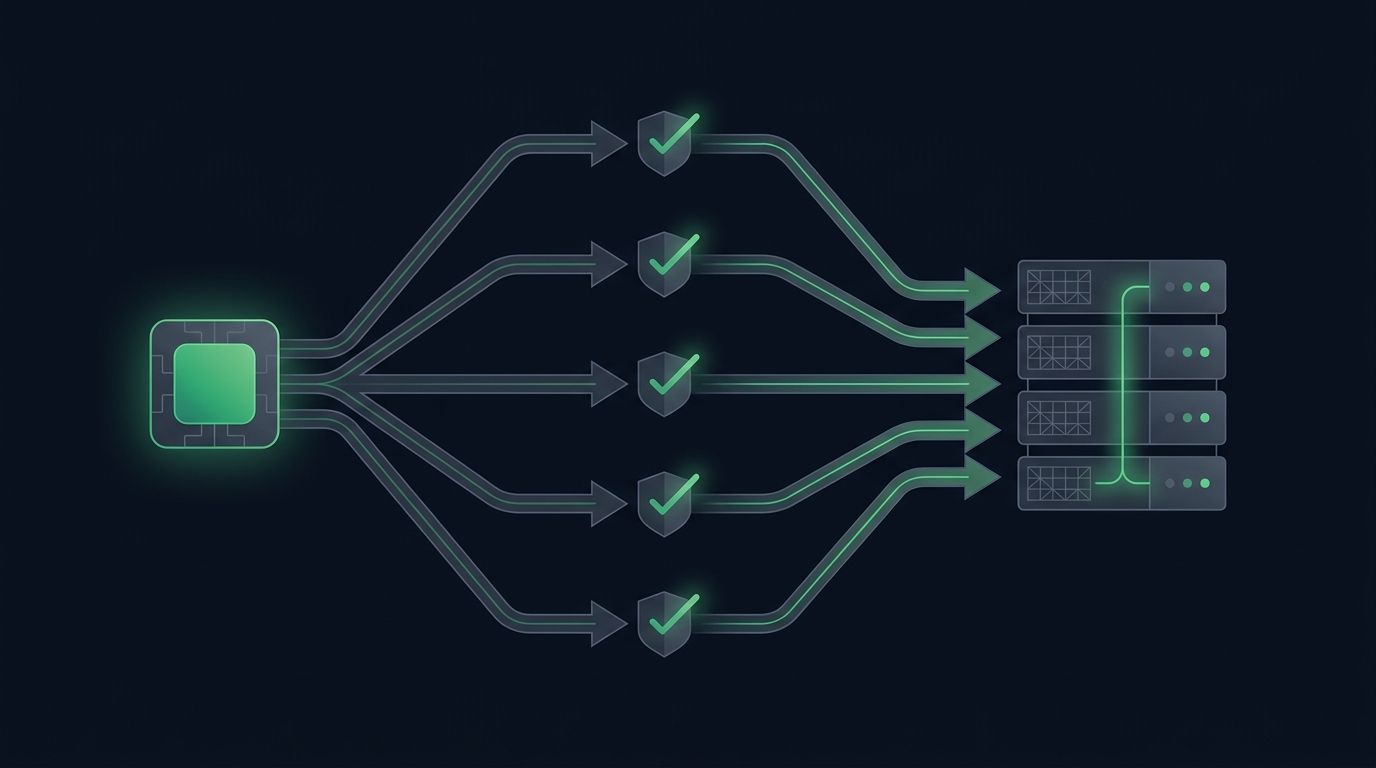
Most traders start automation with a single chart: one strategy, one pair, one alert. It works, so you add another pair. Then a third. Soon you want to automat...
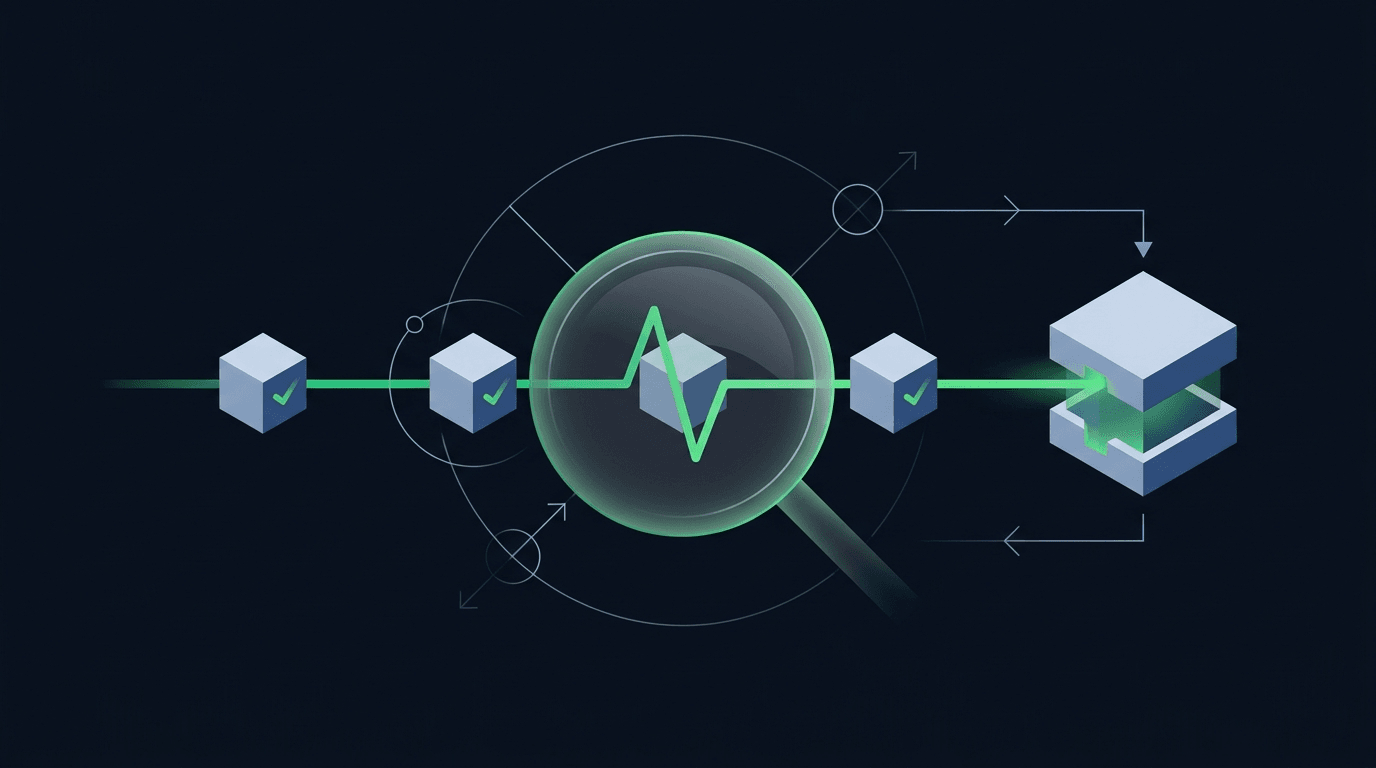
Your strategy printed a buy signal, TradingView flashed the alert, and you moved on. But did an order actually land on the exchange? When you automate trading,...
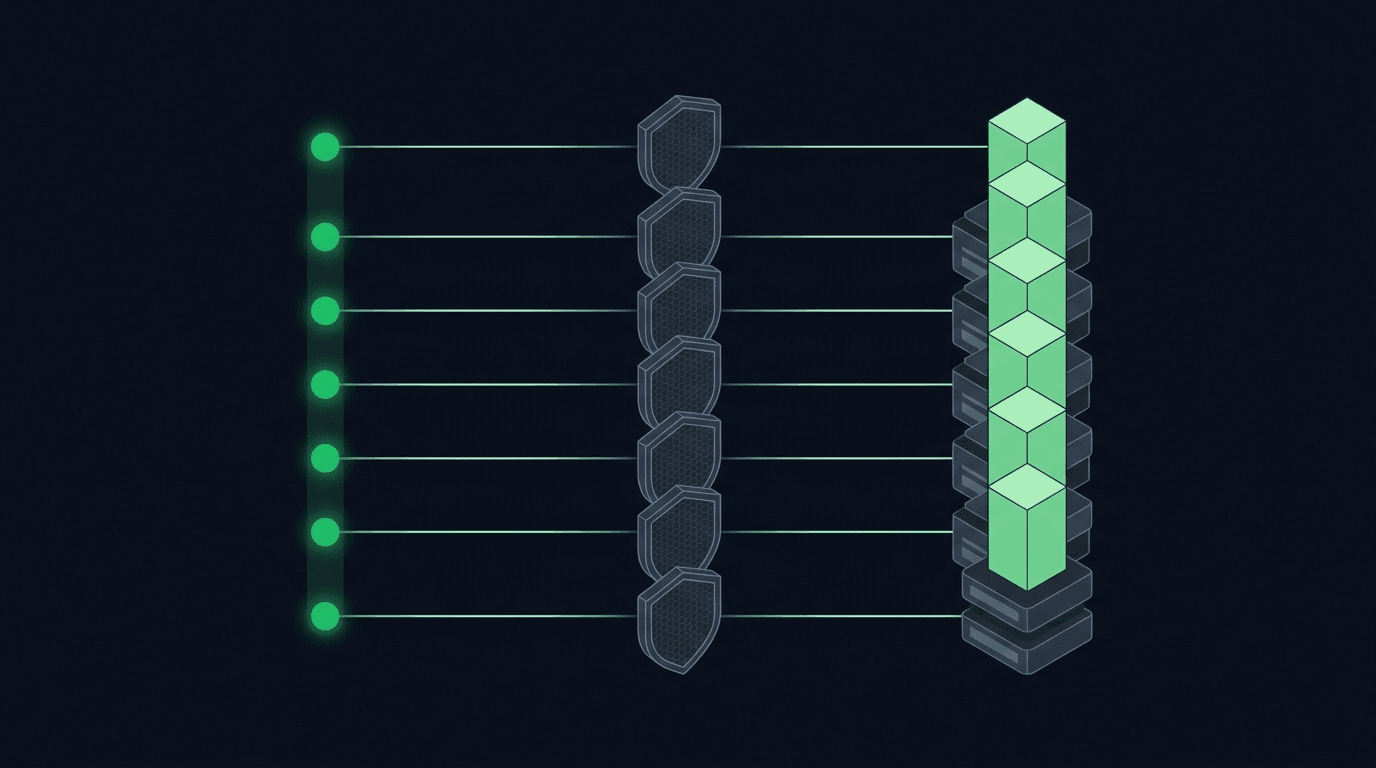
If you run a DCA strategy, TradingView webhook alerts can execute it for you so you are not logging in to place the same buy over and over. Dollar-cost averagi...
Non-custodial execution. Trade-only API keys. Independent infrastructure built for reliability.
Request Early AccessTrade-only API key enforcement. No withdrawal permissions. No custody.