IP Whitelisting for Exchange API Keys: An Extra Layer of Protection
An IP whitelist means your exchange API key only works from addresses you approve. Here's how it protects a leaked key and how to set it up.
Read more
Practical notes on automating your strategy — securely, non-custodially, and reliably.
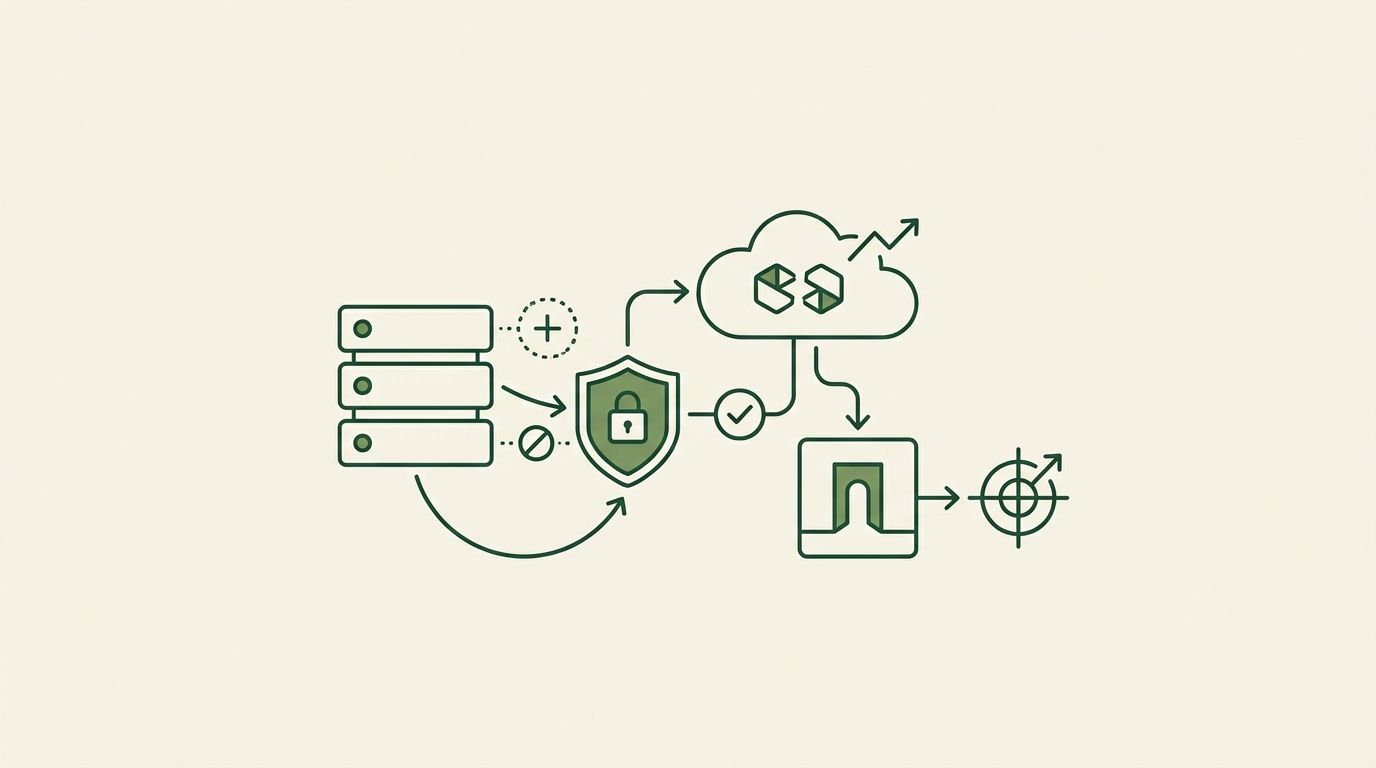
An IP whitelist means your exchange API key only works from addresses you approve. Here's how it protects a leaked key and how to set it up.

Most crypto trading bot scams share the same tells. Here's a practical checklist — custody, key permissions, transparency, and red flags — to verify a tool before you connect.

"Non-custodial" means a tool never holds your funds — they stay on your exchange. Here's what that really means for your trades and how to verify the claim.

From plain text to KMS-backed envelope encryption — how trading bots store API keys differs wildly. Here's exactly how SignalToExchange encrypts yours.
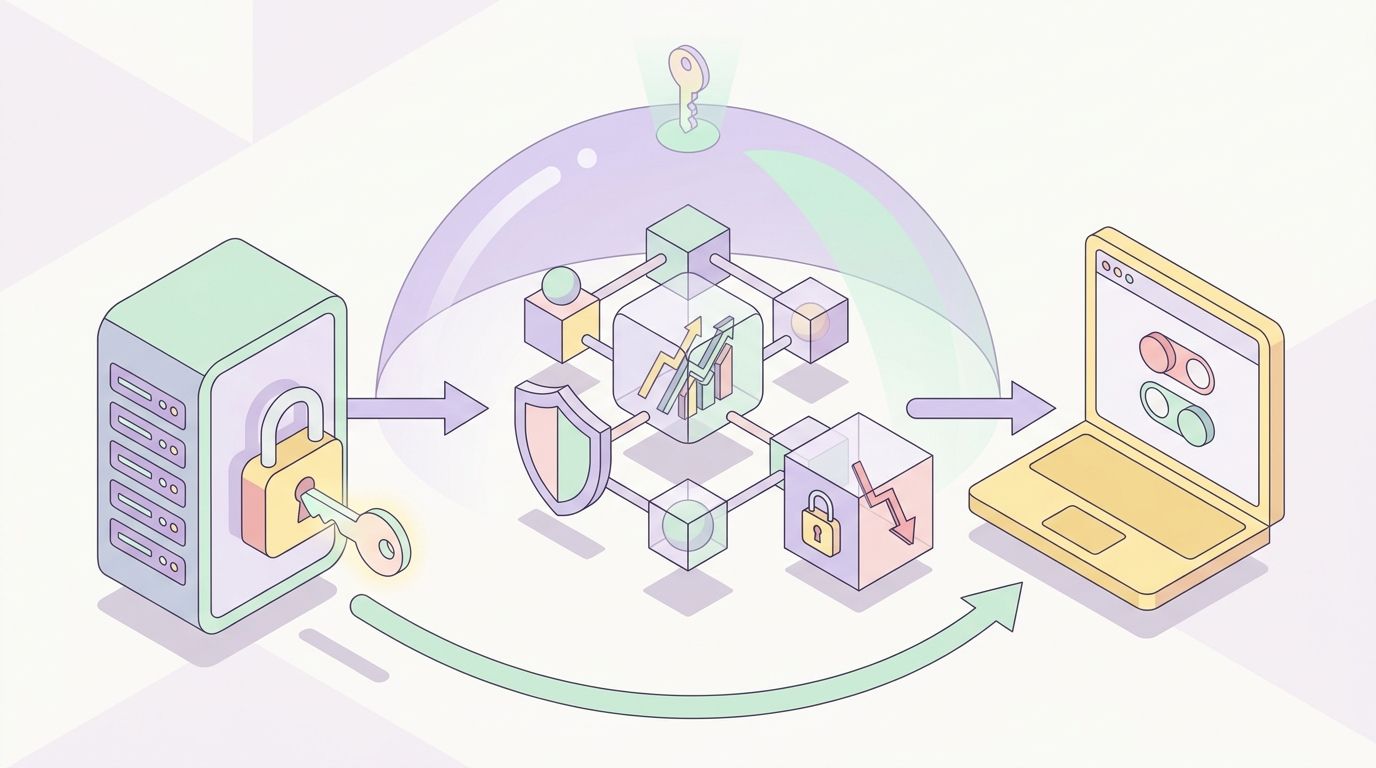
A trade-only API key places orders but can't withdraw your funds. Here's why that scope matters and how to set one up on your exchange.

Custodial or non-custodial? The difference decides who controls your funds. Here's how to tell the two apart before you connect a trading bot.
Non-custodial execution. Trade-only API keys. Independent infrastructure built for reliability.
Request Early AccessTrade-only API key enforcement. No withdrawal permissions. No custody.