Why You Should Never Put API Keys in TradingView Alert Messages
It is a tempting shortcut. You are wiring up a TradingView strategy to fire orders automatically, the receiving system asks for your exchange credentials, and...
Read more
Your exchange API keys are always-on credentials that let software trade for you. Here is what it means to rotate exchange API keys, when to do it, and a create-before-delete process for swapping keys on a live automation without missing a single signal.

If you automate trades, your exchange API keys are the credentials that let software place orders on your behalf. Over time those credentials accumulate risk: they get copied into config files, pasted into tools, and stored across services you may have forgotten about. To rotate exchange API keys means to retire the old key and issue a fresh one, so that any lingering copy of the previous key stops working. Done on a regular schedule, key rotation is one of the simplest ways to limit the damage a leaked credential can do.
This guide explains what rotation actually is, when to do it, and how to swap keys on a live automation without missing a trade. It assumes you connect trade-only keys — keys with no withdrawal permission — which is the model we recommend and the one SignalToExchange is built around.
An API key is a pair: a public key and a secret. The exchange uses them together to authenticate every request your automation sends. Rotation is the process of generating a new pair, updating whatever software uses it, and deleting the old pair on the exchange.
The important word is deleting. Creating a new key does not make the old one stop working. As long as the previous secret still exists on the exchange, anyone who holds a copy can keep using it. Rotation is only complete when the old key is revoked and confirmed dead.
This is different from changing your account password or your 2FA device. Those protect the human login. API keys protect the machine-to-machine channel — the one your bot, relay, or script uses while you are asleep. If you are unsure what permissions your keys carry, our guide to crypto exchange API key permissions breaks down the read, trade, and withdraw scopes.
Manual traders log in, place an order, and log out. Automated traders leave a key active continuously so signals can execute at any hour. That always-on exposure is exactly why rotation matters more when you automate.
A key can leak in ordinary ways: a secret committed to a Git repository, a screenshot shared for support, a laptop that is lost, a third-party tool that is breached. You rarely know the moment it happens. Rotation shrinks the window. A key that is replaced every 90 days can only be abused for the time it stays valid, not indefinitely.
Rotation also cleans up sprawl. If you have tested several tools, you may have issued keys you never revoked. Each of those is a live door. A rotation routine forces you to inventory every key and close the ones you no longer use.
Crucially, rotation does not need to touch your funds. With trade-only keys, a leaked secret can place orders but cannot move coins off the exchange. Pairing trade-only API keys with regular rotation gives you two independent layers of protection: limited blast radius, and limited time.
Rotate on a schedule, and rotate on events. Both matter.
On a schedule, a common rhythm is every 60 to 90 days. That is short enough to limit exposure and long enough to avoid constant churn. Put it on a calendar so it does not depend on memory.
Rotate immediately, outside the schedule, when any of these happen:
If you ever see unexplained activity, treat rotation as the first response, not a later cleanup step. Revoke first, investigate second.
The goal is to swap keys without leaving a gap where a signal fires and nothing executes. The safest pattern is create-before-delete.
Create-before-delete means there is always one valid key in play, so your automation never goes dark during the swap.
Rotation is a control, not a cure. It limits how long a leaked key stays useful, but it does not stop a leak from happening. You still need the basics: trade-only permissions so keys can never withdraw, encryption at rest wherever secrets are stored, IP allowlisting where supported, and 2FA on the account login itself.
It also does not fix a bad custody model. If a tool holds your funds, no amount of key rotation changes the fact that it can move them. This is why we spell out what non-custodial actually means: your coins should stay on your own exchange, and the only thing a connected service ever holds is a trade-only key.
A schedule of every 60 to 90 days works for most automated traders. Rotate sooner if a key may have been exposed, a device was lost, or a connected tool reported a breach. The right interval balances exposure against the effort of swapping keys.
Not if you create the new key before deleting the old one. Point your automation at the new key, confirm it works, then revoke the previous key. Because a valid key is always active during the swap, no signals are missed.
Only if the key has withdrawal permission. With trade-only keys — the setup we recommend — a leaked secret can place or cancel orders but cannot move funds off the exchange. Rotation then limits how long even that trading access stays usable.
Deleting removes the key entirely; disabling may leave it recoverable depending on the exchange. For rotation, delete the old key so no copy can be reactivated. Always confirm the old key fails after you remove it.
Yes. Allowlisting limits where a key can be used, but a leaked key sent from an allowlisted server is still valid. Rotation and allowlisting are complementary layers, not substitutes for one another.
Key rotation is boring, and that is the point. A steady 60-to-90-day rhythm, plus immediate rotation on any scare, keeps your automation's credentials fresh without drama. Combined with trade-only permissions and a non-custodial setup, rotation means a leaked key is a contained, temporary problem rather than a standing threat to your account.
SignalToExchange runs on exactly this model: your funds stay on your own exchange, the keys you connect are trade-only with no withdrawal access, and rotating them is a quick swap rather than a migration. Request access or start your free trial to route your signals through infrastructure built to hold credentials the careful way.
Automated trading involves risk. SignalToExchange is execution infrastructure and does not provide financial advice, trading signals, or guarantees of any kind.
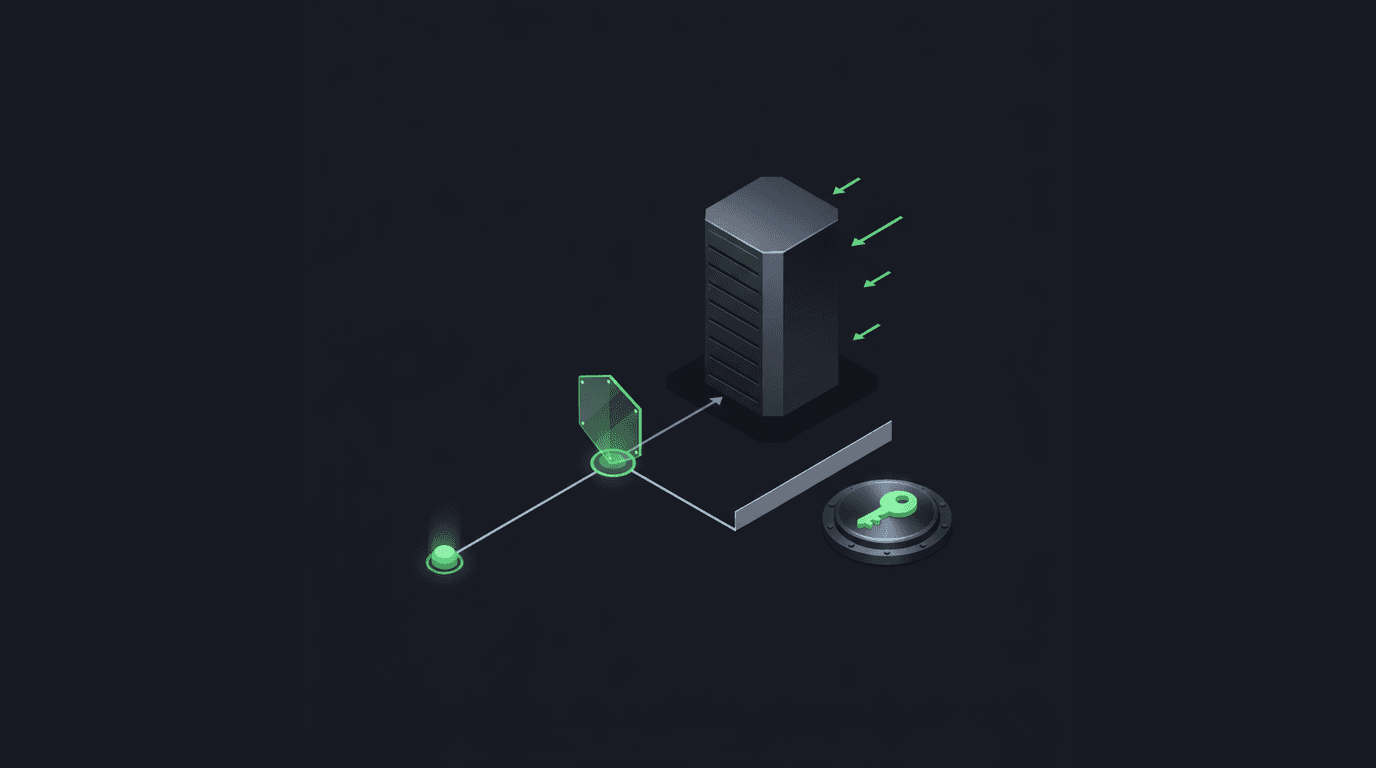
It is a tempting shortcut. You are wiring up a TradingView strategy to fire orders automatically, the receiving system asks for your exchange credentials, and...
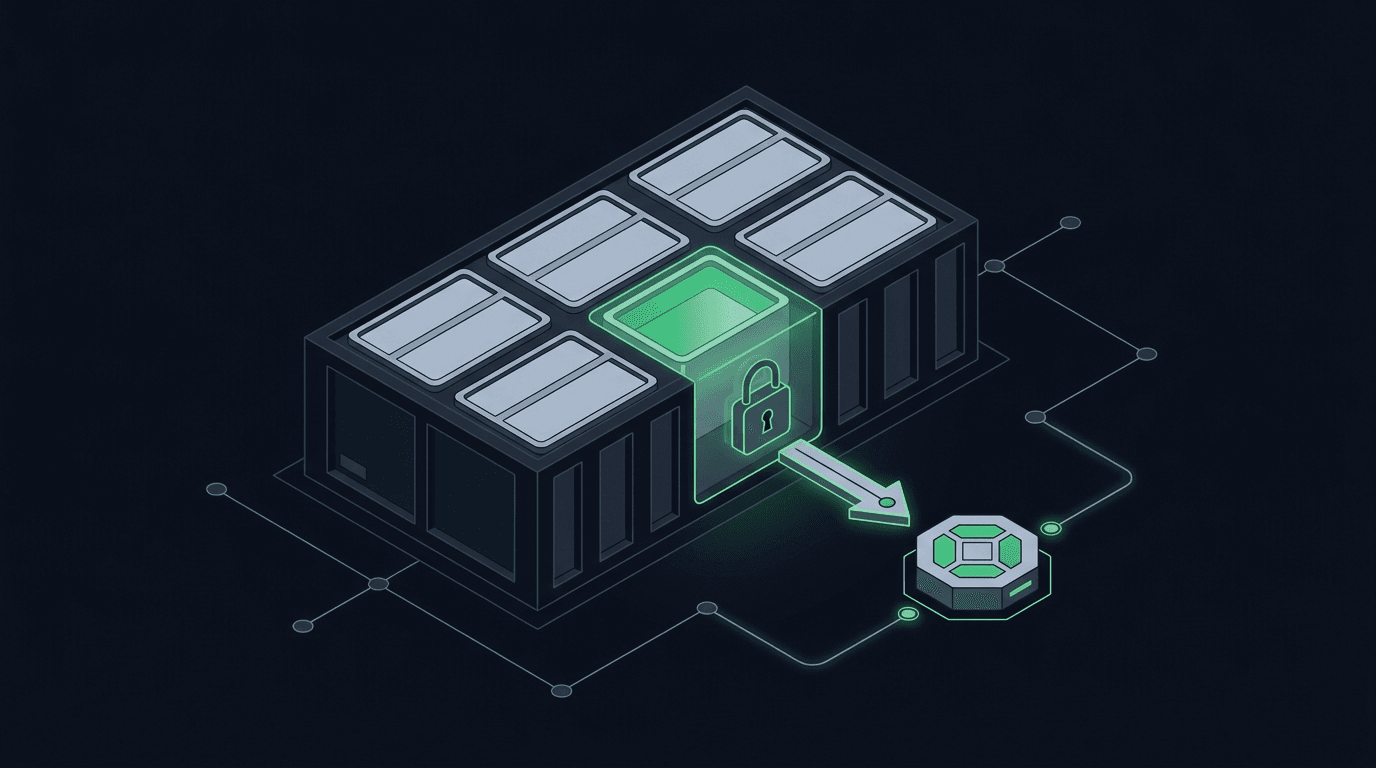
You wire up a strategy, connect an API key, and let the automation run. It works. But the orders are landing on the same exchange account that holds your long-t...

When you automate crypto trading, your exchange account stops being something you log into by hand and becomes something software touches around the clock. That...
Non-custodial execution. Trade-only API keys. Independent infrastructure built for reliability.
Request Early AccessTrade-only API key enforcement. No withdrawal permissions. No custody.