Why You Should Never Put API Keys in TradingView Alert Messages
It is a tempting shortcut. You are wiring up a TradingView strategy to fire orders automatically, the receiving system asks for your exchange credentials, and...
Read more
Practical notes on automating your strategy — securely, non-custodially, and reliably.

It is a tempting shortcut. You are wiring up a TradingView strategy to fire orders automatically, the receiving system asks for your exchange credentials, and...

You wire up a strategy, connect an API key, and let the automation run. It works. But the orders are landing on the same exchange account that holds your long-t...

When you automate crypto trading, your exchange account stops being something you log into by hand and becomes something software touches around the clock. That...

If you automate trades, the hot wallet vs cold wallet question stops being theory and becomes an operational decision you make with real money. Automated tradi...

If your exchange API key is leaked, what to do first matters more than anything else: move fast and revoke it. A leaked exchange API key is a serious security...

Your automated trading works because a single shared secret proves that each incoming webhook really came from you. Rotate that secret carelessly and you face a...
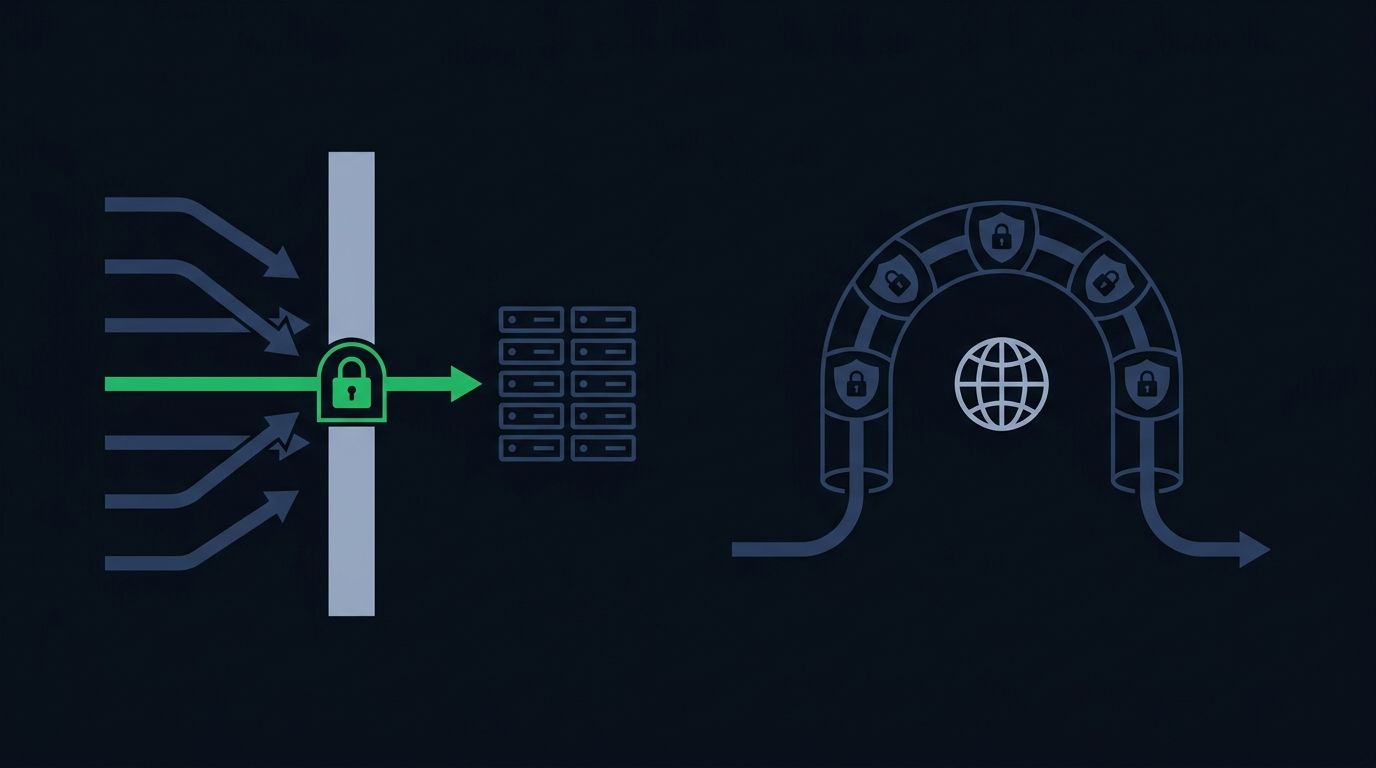
If you automate crypto trades, your exchange API key is the most sensitive credential you own. Two controls come up constantly when traders try to lock that key...

Ask two crypto traders where their coins are and you will often get two very different answers. One keeps everything in a hardware wallet only they can open. T...

If you automate trades, your exchange API keys are the credentials that let software place orders on your behalf. Over time those credentials accumulate risk:...
Non-custodial execution. Trade-only API keys. Independent infrastructure built for reliability.
Request Early AccessTrade-only API key enforcement. No withdrawal permissions. No custody.