Why You Should Never Put API Keys in TradingView Alert Messages
It is a tempting shortcut. You are wiring up a TradingView strategy to fire orders automatically, the receiving system asks for your exchange credentials, and...
Read more
The self-custody vs exchange custody question in crypto gets more complicated the moment you automate. Here is what custody really means, why automated orders depend on exchange custody, and how to keep the rest of your funds under your own control.

Ask two crypto traders where their coins are and you will often get two very different answers. One keeps everything in a hardware wallet only they can open. The other keeps a balance sitting on an exchange, ready to trade. Both are holding crypto, but they are making opposite choices about custody. For anyone building automated execution, the self-custody vs exchange custody question in crypto is not academic: it decides who can move your funds, what happens if something goes wrong, and how much of your capital is exposed while a bot is running.
This guide breaks down what custody actually means, why automated trading inherently relies on exchange custody for the balance it trades, and how to structure your holdings so automation never puts more at risk than it needs to.
Custody comes down to a single question: who holds the private keys? Whoever controls the keys controls the coins. Everything else, including passwords, app logins, and API tokens, is a layer on top of that basic fact.
There are two broad answers. In self-custody, you hold the keys yourself, usually in a hardware or software wallet. In exchange custody, a third party (the exchange) holds the keys, and you hold an account that represents a claim on those funds. The phrase "not your keys, not your coins" is a blunt way of describing the difference. It is not a value judgment so much as a description of where control sits.
Understanding this distinction matters more once you automate, because automation adds another party that can act on your account without you clicking a button each time.
With self-custody, your coins live in a wallet whose private keys never leave your control. A hardware wallet, a well-secured software wallet, or a multisig setup all fall into this category. The upside is direct: no exchange freeze, no platform insolvency, and no counterparty standing between you and your assets. If you follow good backup practices, only you can authorize a transfer.
The tradeoff is responsibility. Lose the seed phrase and there is no support line to call. Sign a malicious transaction and it is final. Self-custody gives you the most control and asks the most of you in return.
There is one more limitation that matters here: a wallet you self-custody is not directly tradeable through an exchange's order book. To place spot or futures orders on Binance, Bybit, Kraken, or any other venue, the capital has to be inside that exchange. That single fact is what makes the custody conversation unavoidable for automated traders. If you want to learn how this connects to the tools you use, our explainer on what non-custodial actually means for your trades covers the wider picture.
When you deposit to an exchange, you are handing custody to that platform. The exchange holds the underlying keys and credits your account with a balance. In practice this feels convenient: you can trade instantly, move between pairs, and use the exchange's matching engine without touching a wallet.
The cost is counterparty exposure. Your ability to withdraw depends on the exchange staying solvent, staying online, and staying honest. History has given traders plenty of reasons to take that seriously. Exchange custody is not inherently reckless, but it is a deliberate concentration of trust in one company.
For a trader who only ever buys and holds, minimizing exchange custody is easy: buy, withdraw to a wallet, done. For an automated trader, it is not that simple, because the very thing being automated happens inside exchange custody.
Here is the core tension. An automated system places orders by calling an exchange's API. Those orders can only execute against a balance that already sits on the exchange. There is no way to route a market order against coins held in a hardware wallet in your desk drawer. The exchange matches trades against balances it custodies, full stop.
So automation does not remove exchange custody. It depends on it for the trading balance. The signal fires, the order is submitted, and it fills using funds the exchange is holding. This is true whether you run a homemade Python script, a hosted bot, or a relay service. The capital you actively trade has to be in exchange custody for the duration.
What you can control is how much sits there, and what a connected system is allowed to do with it. That is where a clear-headed setup makes the difference between reasonable exposure and unnecessary risk.
Custody is often discussed as if there were only two layers: your wallet and the exchange. Automated trading adds a third, the tool that connects your signals to the exchange, and this is where a lot of confusion lives.
A relay or bot can be custodial or non-custodial, and that is a separate axis from where your coins sit. A custodial bot platform asks you to deposit funds into accounts it controls, so it takes custody the way an exchange does. A non-custodial relay never holds your funds at all. It connects to your exchange account through API keys and submits orders on your behalf, but the money stays in your exchange account the entire time.
The distinction is worth keeping straight. When you automate through a non-custodial relay, your trading balance is still in exchange custody, but it is not in the relay's custody. Two different parties, two different questions. Our breakdown of custodial vs non-custodial trading bots goes deeper on that specific difference.
The goal is not to pick self-custody or exchange custody as if it were all-or-nothing. It is to divide your capital by purpose and keep only what automation needs where automation can reach it.
A sensible structure looks like this:
This split gives you most of the benefit of self-custody for the bulk of your holdings while accepting a bounded, intentional amount of exchange custody for the portion you trade.
Some exchange custody is unavoidable for automation, so the practical work is shrinking its blast radius. Trade-only keys are the single most important control: automated execution never needs withdrawal permission, so there is no reason to grant it. Create keys with withdrawals disabled and treat any tool that asks for withdrawal access as a red flag. Our guide on why trade-only API keys matter and how to set them up walks through the exact settings.
Beyond key scope, keep the trading balance right-sized, rotate keys periodically, enable strong account security such as an authenticator app, and monitor for orders you did not expect. None of this converts exchange custody into self-custody, but it turns a large, open-ended exposure into a small, controlled one.
SignalToExchange is built around this exact separation. It is a non-custodial relay: it never holds your funds and never asks you to deposit anything. You connect your own exchange account with trade-only API keys, keep your long-term holdings wherever you choose to self-custody them, and let the relay submit orders against the working balance you have decided to keep on the exchange. Your funds never leave your exchange, and the relay has no ability to withdraw them.
That design does not remove exchange custody for the balance you trade; nothing can. What it does is make sure the automation layer adds no additional custody risk on top of it.
The balance you actively trade is not. To execute orders on an exchange's order book, that capital has to sit inside the exchange, which means it is in exchange custody while it is being traded. Holdings you are not trading can and generally should stay in self-custody in your own wallet.
No, and this is a common mix-up. Non-custodial describes the bot or relay: it means the tool never holds your funds. Your trading balance is still in the exchange's custody. The relay simply connects to your exchange account with API keys instead of taking deposits.
Only what your strategy actively uses. Size the exchange balance to your working trading capital rather than your entire holdings, and keep the rest in self-custody. Topping up deliberately is safer than leaving everything on the exchange for convenience.
Trade-only API keys. When you create keys with withdrawal permission disabled, a connected tool can place and cancel orders but cannot move funds off the exchange. Pair that with an IP allowlist for another layer of protection.
Exchange custody carries counterparty risk that self-custody does not, so the aim is to limit it rather than pretend it is absent. Keep only working capital on the exchange, use trade-only keys, and secure your account. That keeps exposure bounded and intentional. You can read more on this in is it safe to give a trading bot your exchange API keys.
If you want automation that respects this separation, see how the relay connects to your own exchange account with trade-only access. Request access or start your free trial to route signals without handing over custody of your funds.
Automated trading involves risk. SignalToExchange is execution infrastructure and does not provide financial advice, trading signals, or guarantees of any kind.
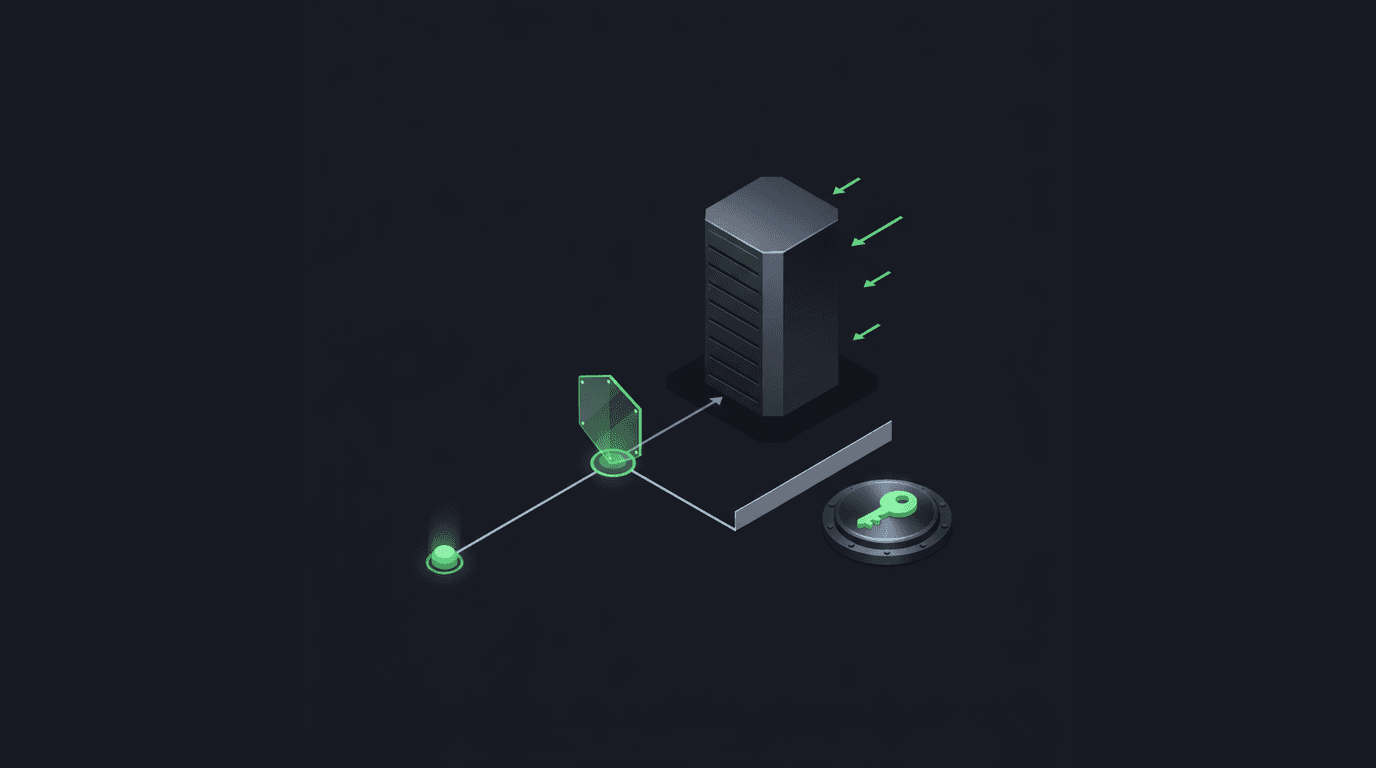
It is a tempting shortcut. You are wiring up a TradingView strategy to fire orders automatically, the receiving system asks for your exchange credentials, and...
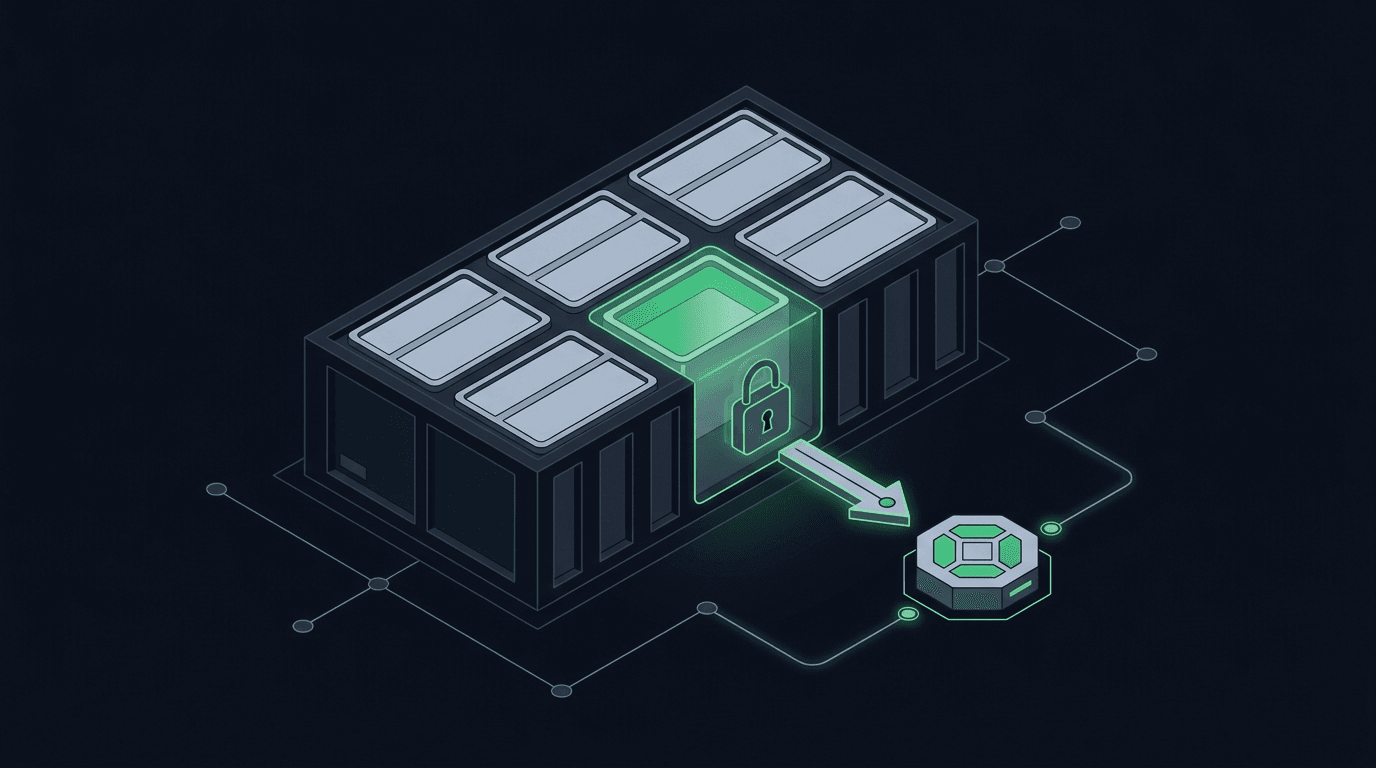
You wire up a strategy, connect an API key, and let the automation run. It works. But the orders are landing on the same exchange account that holds your long-t...
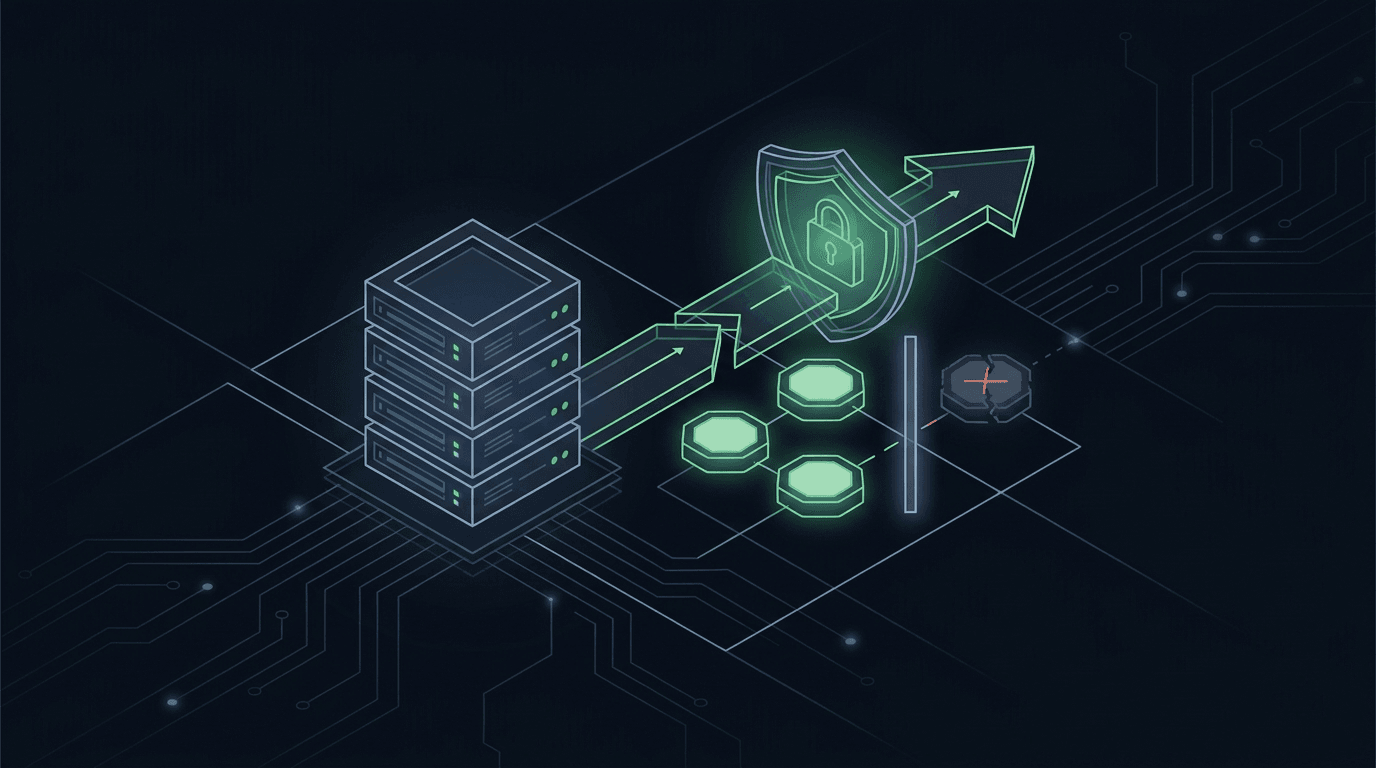
When you automate crypto trading, your exchange account stops being something you log into by hand and becomes something software touches around the clock. That...
Non-custodial execution. Trade-only API keys. Independent infrastructure built for reliability.
Request Early AccessTrade-only API key enforcement. No withdrawal permissions. No custody.