What Is a Conditional (Trigger) Order and How Automation Uses It
You set up a strategy that should only act when the market reaches a specific level — buy if price breaks above resistance, or exit if it falls through support....
Read more
Before you wire a strategy to live orders, learn how to backtest a trading strategy properly: what a backtest measures, where it misleads, and how to move from historical testing to automated execution with fewer surprises.

Automating a strategy that you've never tested is how small mistakes become repeated mistakes. Before you connect anything to live orders, it's worth learning how to backtest a trading strategy properly — running your rules against historical data so you understand how they behave before real money is involved. A backtest doesn't predict the future and it isn't a guarantee of anything; it's a way to check that your logic does what you think it does, that your signals fire when you expect, and that the mechanics hold up before you hand execution to a machine. This guide explains what a backtest actually measures, where it commonly misleads, and how to bridge from a tested idea to automated execution. It is not trading advice and recommends no strategy.
A backtest replays historical price data and applies your entry and exit rules as if you had traded them at the time. Done carefully, it answers narrow, useful questions: Did the rules generate signals? How often? Under which market conditions did they fire, and how did the resulting positions behave on that specific historical data? Those are facts about the past, not forecasts. The value of a backtest is in catching logic errors, surfacing edge cases, and showing you the shape of a strategy's behavior — how frequently it trades, how long positions tend to stay open, how it reacts to volatility — not in producing a number you can count on repeating.
It's just as important to be clear about what a backtest cannot tell you. It can't account for slippage you haven't modeled, fees you forgot to include, liquidity that wasn't there in size, or the simple fact that future markets differ from past ones. Treat the output as a behavioral description, never a promise.
The exact tooling varies — many traders use TradingView's Strategy Tester with Pine Script, others use Python frameworks — but the process is broadly the same regardless of platform.
Define entries, exits, and position sizing as unambiguous conditions. "Buy when the fast EMA crosses above the slow EMA" is testable; "buy when it looks strong" is not. The discipline of writing exact rules is itself valuable: automation can only execute logic that is fully specified.
Test across enough history to include different regimes — trending, ranging, and volatile periods — for the symbols you actually intend to trade. A strategy tuned only to a single calm stretch tells you little about how it behaves elsewhere.
Include realistic fees and a slippage assumption. Backtests that assume perfect fills at the signal price flatter every strategy. The closer your cost model is to your exchange's real conditions, the more honest the result.
Open the individual trades and read them. Did exits trigger where you expected? Were there signals on bad data, gaps, or illiquid candles? Reading the trade list catches problems a summary statistic hides.
Tune on one slice of history and then check behavior on a separate slice you didn't optimize against. If results fall apart out of sample, the strategy was likely fit to noise.
Most backtesting mistakes are mechanical, and knowing them helps you read your own results critically:
A backtest validates the idea. It doesn't validate the plumbing. Even a well-tested strategy can misbehave live if alerts don't fire reliably, if a webhook is retried and creates a duplicate order, or if the message your platform sends doesn't match what your exchange expects. This is the gap our explainer on signals vs execution covers: a passing backtest produces signals, but turning each signal into exactly one correctly formatted order is a separate problem.
A sensible bridge is to move in stages. After backtesting, run the strategy forward in real time without placing orders — paper or alert-only — to confirm signals fire the way the backtest implied. When you do go live, start with the smallest position size to confirm the full path end to end before scale matters. If you're automating Pine Script specifically, our guide on taking Pine Script strategies from backtest to live orders walks through that transition, and the TradingView webhook to exchange setup guide covers wiring the alert itself.
Once your strategy is tested and you're ready to automate, SignalToExchange is the execution layer between your signals and your exchange. It receives your webhook, authenticates and validates it, formats the order your account expects, and submits it using a trade-only key — we place orders, never withdrawals — encrypted at rest, with deduplication so one signal fires exactly one order. It is non-custodial: it never takes deposits or holds balances, and your funds never leave your exchange. It doesn't sell signals or build strategies — the strategy you backtested stays yours. If you're weighing how much access to grant, see whether it's safe to give a trading bot your exchange API keys and our overview of why trade-only API keys matter and how to set them up.
If you've tested a strategy and want a secure, reliable way to turn its signals into exchange orders, Request access / start your free trial →
Automated trading involves risk. SignalToExchange is execution infrastructure and does not provide financial advice, trading signals, or guarantees of any kind.

You set up a strategy that should only act when the market reaches a specific level — buy if price breaks above resistance, or exit if it falls through support....
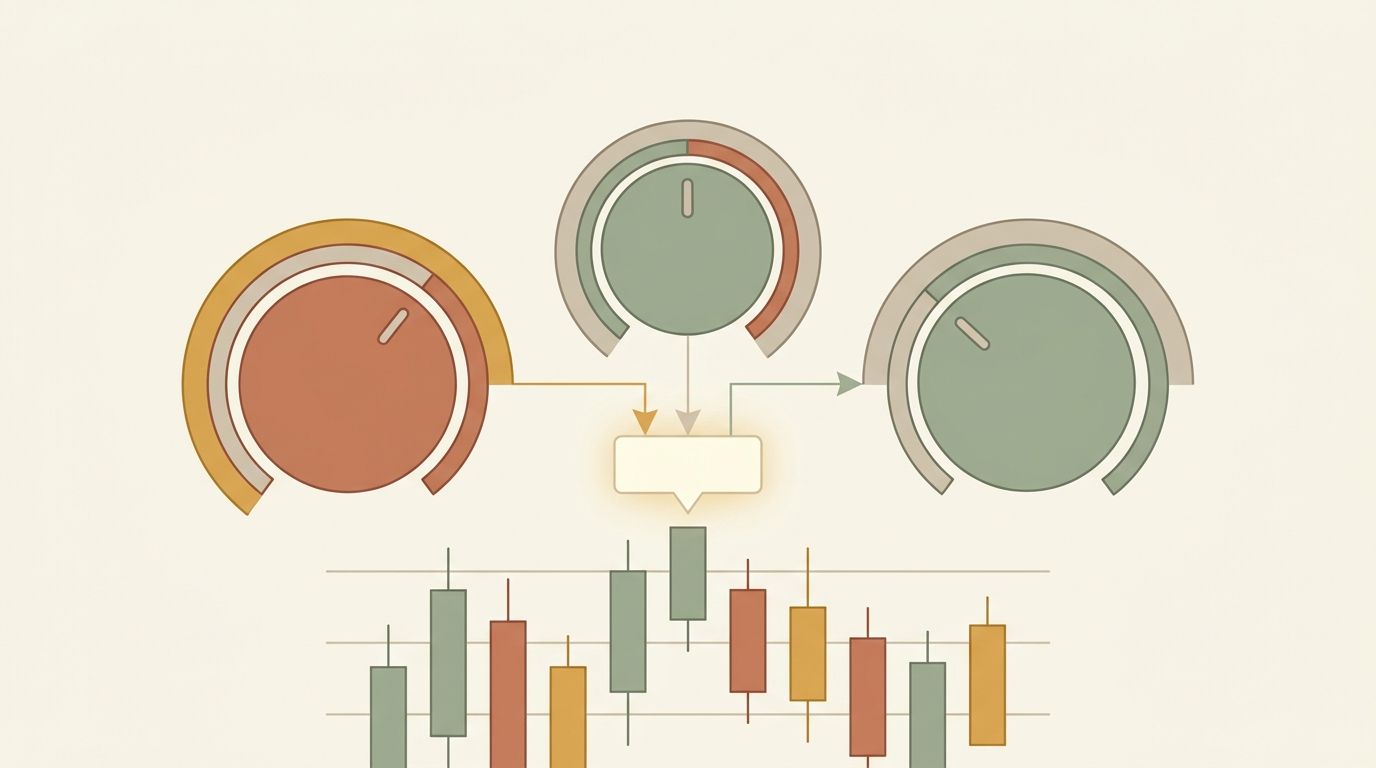
If you automate futures trading, you have probably noticed something confusing: your chart shows one price, but your position's liquidation level and profit-and...
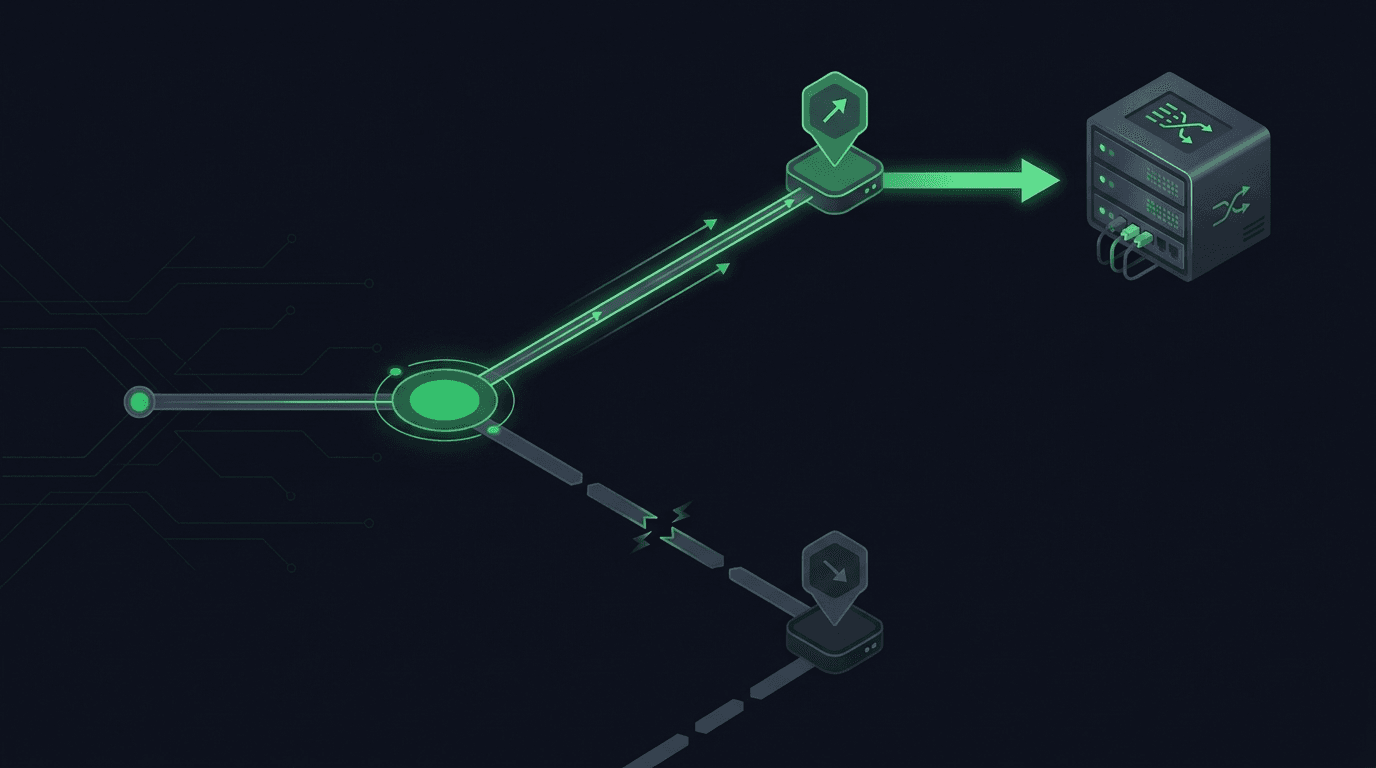
You set a take-profit and a stop-loss on the same position, walk away, and expect the exchange to close the trade at whichever level hits first. On most exchan...
Non-custodial execution. Trade-only API keys. Independent infrastructure built for reliability.
Request Early AccessTrade-only API key enforcement. No withdrawal permissions. No custody.