How to Automate TradingView Alerts With Zapier
Your TradingView strategy fires a clean alert at exactly the right moment — and then nothing happens on your exchange. If that gap between signal and execution...
Read more
Where to keep webhook secrets and exchange API keys when you automate trading, the mistakes that leak them, and a repeatable process for storing, scoping, and rotating credentials across your automation stack.

When you automate trading, your credentials become the crown jewels. A webhook secret proves that an incoming alert is really yours; an exchange API key lets software place orders on your account. Get webhook secret storage and automation security wrong, and an attacker does not need to break your strategy. They just need to find one plaintext string you left in the wrong place. This guide covers where these secrets should live, the common ways they leak, and a repeatable process for keeping them safe as your setup grows.
The goal here is mechanical: how to store and handle credentials, not what to trade. If you connect TradingView, an automation platform, or a custom backend to a crypto exchange, everything below applies to you.
Before you can store secrets safely, you need to know which strings are actually secret. In a typical automated trading setup, the sensitive values are the webhook secret that authenticates alerts, the exchange API key and its matching API secret, any passphrase an exchange requires (OKX and KuCoin use one), and tokens for the tools that glue everything together, such as n8n, Make, or a cloud function.
Treat all of these as passwords, not settings. A useful test: if a value would let someone impersonate you or move your account, it is a secret. Everything else, such as a trading pair or an order size, is configuration and can live in plain view. Mixing the two is where trouble starts, because secrets get copied into places meant for configuration.
Most credential leaks are not dramatic breaches. They are ordinary mistakes repeated at scale. The classic one is pasting an API key into a script and then pushing that script to a public or shared repository. Automated scanners crawl new commits within seconds, so a key committed by accident is often abused before you notice.
The next most common leak is logs. A webhook handler that prints the full request body for debugging will write your signing secret into a log file many services can read. Screenshots are another quiet offender: a support ticket with your alert payload visible can expose a secret to strangers. Finally, there is reuse. Using the same API key across several tools means a compromise in the weakest tool compromises all of them. Each has the same fix: keep secrets out of anywhere that gets copied, shared, or logged.
The right location depends on where the secret is used. For local development and small self-hosted setups, environment variables from a file excluded from version control are the baseline. Keep that file out of your repository with an ignore rule, and never commit it even once, because history remembers.
For anything running in the cloud, use the platform's dedicated secret manager rather than environment variables baked into an image. Managed secret stores encrypt values at rest, control who can read them, and give you an audit trail. If you run your own infrastructure, a purpose-built vault serves the same role. The pattern is the same everywhere: the secret lives in one protected place, and your code reads it at runtime instead of carrying a copy. When you use a relay service, the strongest option is one that encrypts your exchange keys with envelope encryption so even the operator cannot read the raw value, an approach we detail in how we encrypt your exchange API keys.
Storage is only half of security. The other half is limiting what a key can do if it leaks. Every major exchange lets you scope an API key to specific permissions. For automated trading, enable trading and disable withdrawals. A trade-only key can open and close positions but cannot move funds off the exchange, so a leak is a serious problem but not a drained account. This is the single highest-leverage habit in the process, and it costs nothing to adopt. We cover the exact settings in why trade-only API keys matter and how to set them up.
Least privilege applies beyond the exchange. If your automation platform supports scoped tokens, give each integration only the access it needs. Pair scoped keys with IP allowlisting where available, so a key only works from the address your automation actually runs on. Assume any single credential could leak, and design so that one leak does not end the game. For a fuller breakdown of what each permission does, see crypto exchange API key permissions explained.
Secrets are not set-and-forget. Rotation, replacing an old credential with a new one, limits how long any leaked value stays useful. Set a recurring reminder to rotate exchange keys and webhook secrets, and rotate immediately if you suspect exposure, lose a laptop, or remove a collaborator. The friction most people hit is downtime, since swapping a secret can briefly break a live pipeline, but it does not have to: rolling a webhook secret with an overlap window accepts both the old and new values during the changeover, as we walk through in how to rotate a trading webhook secret without downtime.
Revocation matters as much as rotation. Keep an inventory of every key you have issued and where it is used. When a tool is retired, revoke its credentials the same day rather than leaving a dormant key that no one is watching. Dormant credentials are dangerous precisely because nobody notices when they are abused.
A secret stored perfectly can still leak through a side door. Configure your webhook handler to redact secret fields before anything is written to a log. Add secret filenames and key patterns to your version-control ignore rules, and consider a pre-commit scanner that blocks commits containing key-like strings. When you share an alert payload for troubleshooting, replace the real secret with a placeholder first.
Authentication design helps too. Signing each webhook with an HMAC signature means the secret verifies the request but never travels inside the alert body, so it cannot leak through a captured payload. If you are not signing your webhooks yet, how to secure a TradingView webhook with HMAC signing shows the setup end to end.
Use this as a repeatable routine whenever you add a new integration or review an existing one:
SignalToExchange is a non-custodial webhook relay: it receives your signed alerts and submits orders to your exchange using trade-only keys, and your funds never leave your own account. Credential handling follows the practices above by design. Your exchange keys are stored encrypted and scoped to trading rather than withdrawals, and webhook authentication verifies each alert without exposing the secret in transit. You keep custody and control of the logic; the relay handles reliable order submission. We are the relay layer, not a strategy platform or a place your money lives.
None of this removes the need for good habits on your side; the safest architecture cannot help a key you pasted into a public gist. Treat the checklist above as the standing routine, and the storage question mostly takes care of itself.
Store them in a dedicated secret manager or vault for cloud setups, or in an environment file excluded from version control for local ones. The rule is that the secret lives in one protected place and your code reads it at runtime, rather than being copied into scripts, config files, or logs. If you use a relay service, prefer one that encrypts keys at rest.
A webhook secret authenticates incoming alerts, proving a request came from you. An exchange API key authenticates outgoing orders, letting software act on your account. Both are secrets that need protection, but they guard different directions: one verifies what comes in, the other authorizes what goes out.
Rotate on a regular schedule, such as quarterly, and immediately whenever you suspect exposure, lose a device, or remove a collaborator. An overlap window during rotation accepts both the old and new secret briefly, so live automation does not break during the swap.
Trade-only keys are a strong safeguard because a leaked key cannot withdraw funds, but they do not eliminate risk: an attacker with one could still place unwanted orders. Combine trade-only scoping with IP allowlisting, HMAC-signed webhooks, encrypted storage, and regular rotation for defense in depth.
Credential security is a process, not a one-time task, and it compounds: each habit shrinks the blast radius of any mistake. Pick the highest-impact change first, usually switching to trade-only keys, then work down the checklist. If you want a relay that already follows these practices and keeps funds on your own exchange, request access or start your free trial and route your first signed webhook securely.
Automated trading involves risk. SignalToExchange is execution infrastructure and does not provide financial advice, trading signals, or guarantees of any kind.
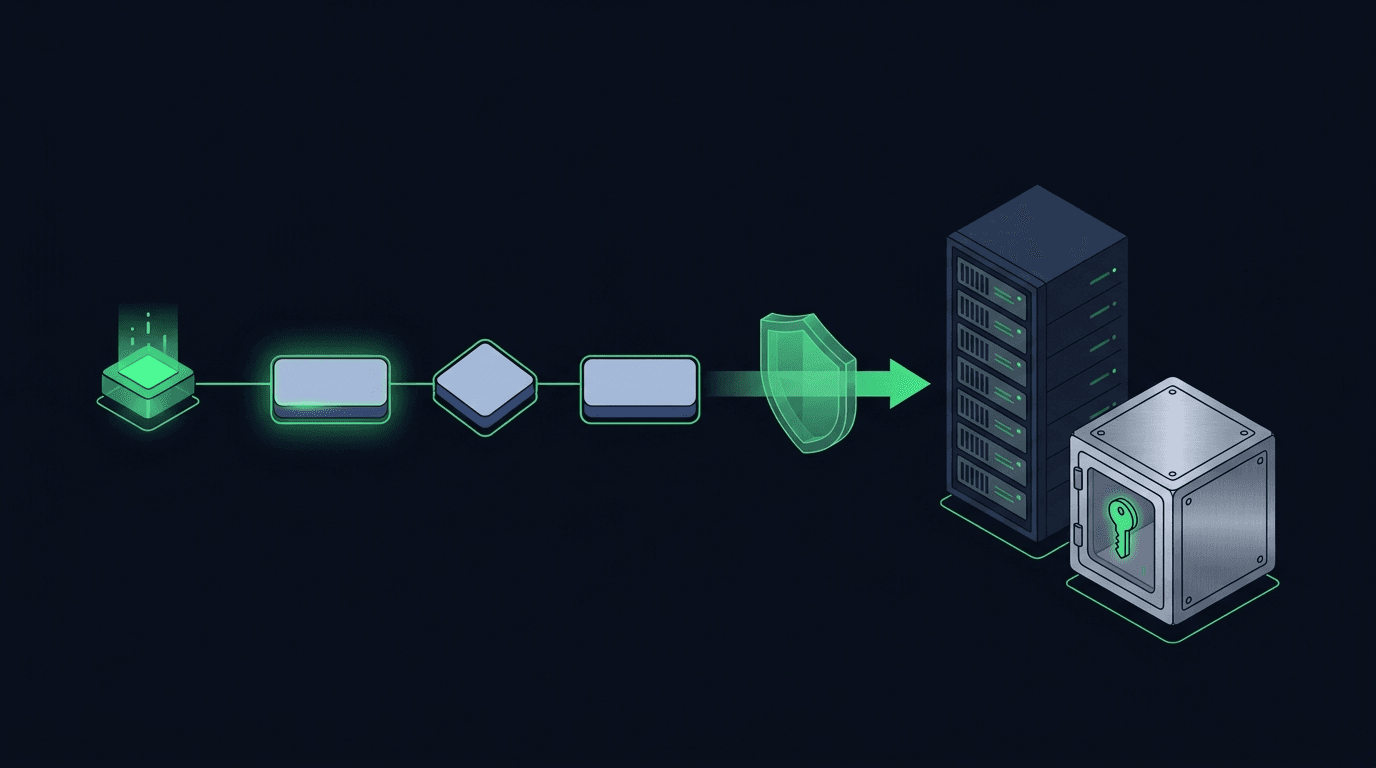
Your TradingView strategy fires a clean alert at exactly the right moment — and then nothing happens on your exchange. If that gap between signal and execution...
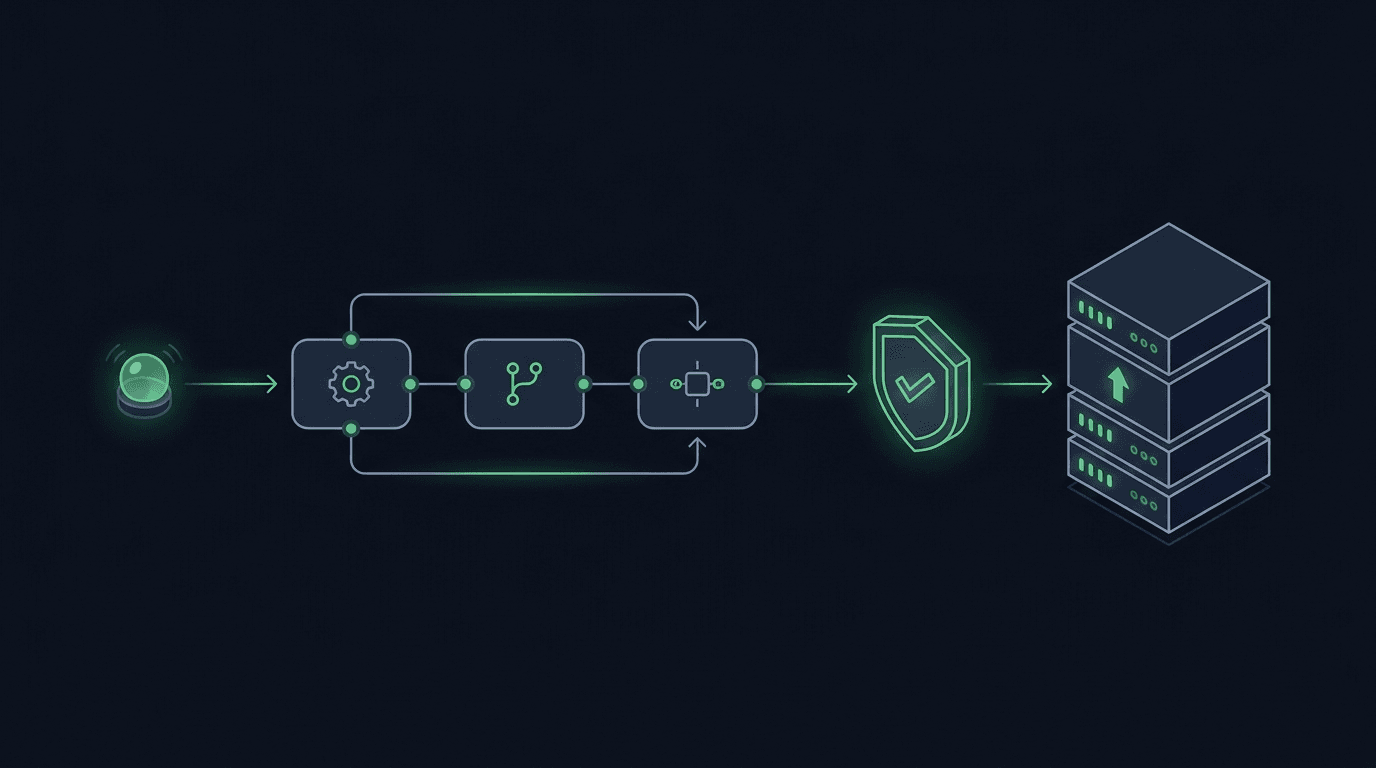
You have a TradingView strategy that fires clean alerts, but every signal still waits on you to see the notification and place the order by hand. By the time y...
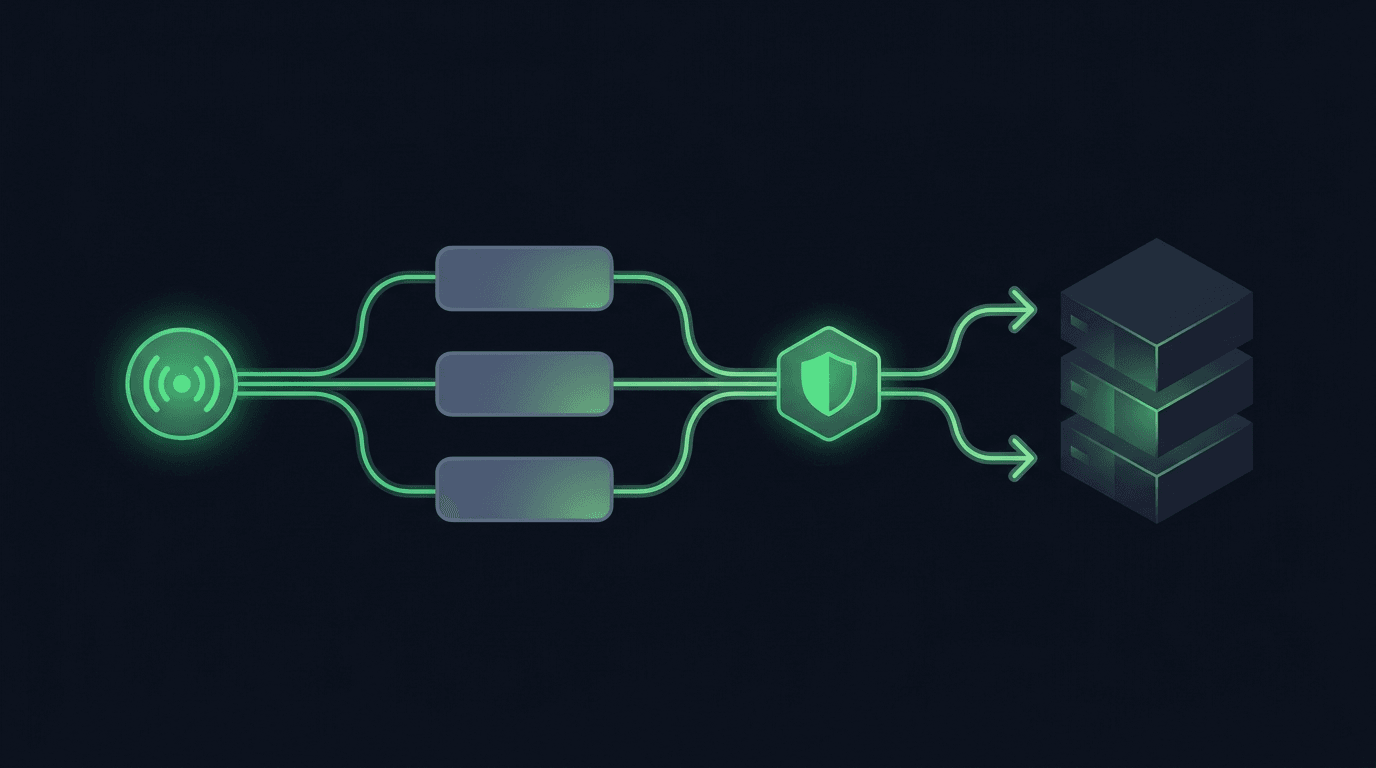
TradingView is where many traders build their edge, but a chart alert that only pops up on your screen still leaves the hardest part — placing the order — up t...
Non-custodial execution. Trade-only API keys. Independent infrastructure built for reliability.
Request Early AccessTrade-only API key enforcement. No withdrawal permissions. No custody.