WebSocket vs REST APIs on Crypto Exchanges: What's the Difference
If you are wiring a strategy up to an exchange, one of the first technical forks you hit is WebSocket vs REST APIs on a crypto exchange. Both let your code talk...
Read more
A liquidation price is the level where the exchange force-closes a leveraged crypto futures position. Learn what it is, how entry, leverage, and maintenance margin set it, why margin mode changes it, and how automated futures traders track and stay clear of it.

If you trade crypto futures, one number decides how much room a position has before the exchange steps in and closes it for you: the liquidation price. When you automate crypto futures with a bot or a webhook relay, that number does not disappear — it just stops being something you watch by hand. Understanding what a liquidation price is, how it moves, and how automated systems keep track of it is the difference between an orderly exit and an unpleasant surprise.
This guide explains what a liquidation price actually represents, how the exchange calculates it, why margin mode changes it, and the practical ways automated futures traders monitor it. It assumes you already place leveraged orders and want the mechanics, not a strategy.
A liquidation price is the market price at which your position no longer has enough margin to stay open, so the exchange force-closes it. Futures let you control a position larger than the cash you put up. The cash you commit is your margin; the leverage is the ratio between position size and that margin. Because you only posted a fraction of the position's value, a relatively small move against you can erase that fraction — and the exchange will not let losses spill past the collateral you provided.
The liquidation price is simply the level where your remaining margin falls to the minimum the exchange requires to keep the position alive. Cross it, and an automated engine on the exchange closes the position to protect itself and the rest of the market. It is not a fee or a penalty you opt into; it is a structural boundary baked into how leveraged trading works.
Three inputs drive the number: your entry price, your leverage, and the exchange's maintenance margin requirement.
Entry price is where your position opened. Leverage sets how far the market can move before your margin is exhausted — higher leverage puts the liquidation price closer to your entry, because you posted less cushion per unit of exposure. Maintenance margin is the minimum equity, expressed as a percentage of position value, that the exchange demands to keep a position open. When your margin drops toward that floor, you are near liquidation.
For a long position, the liquidation price sits below your entry; the market has to fall for you to lose. For a short, it sits above. The higher your leverage, the tighter that gap. This is why the same entry, with more leverage, is a far more fragile position — the buffer between "open" and "closed" shrinks. Every exchange publishes its own maintenance-margin tiers, and larger positions usually face higher requirements, which nudges the liquidation price even closer.
The liquidation price is not fixed by leverage alone — the margin mode you choose reshapes it. In isolated margin, only the collateral assigned to that one position backs it. If the position is liquidated, the loss is capped at that isolated amount, but the liquidation price is closer because there is no extra collateral to draw on.
In cross margin, the whole balance in your futures wallet backs the position. That pushes the liquidation price further away, since more collateral absorbs the drawdown — but it also means a single bad position can pull from funds meant for others. Choosing between the two is a core risk decision, and it directly moves the price at which you get closed. Our guide to cross margin versus isolated margin walks through the trade-off in more depth, and the leverage you set on each automated order feeds straight into it.
Manual traders watch the screen and can intervene. Automated futures traders hand execution to a system, so the liquidation price becomes a constraint the system has to respect on its own. A bot that opens leveraged positions without accounting for how close liquidation sits is one volatile candle away from being force-closed at the worst possible moment.
Automation also runs around the clock. Crypto markets never close, and a position opened in the afternoon can drift toward its liquidation price overnight while you sleep. That is exactly when an unattended move can breach the level. The upside of automation — no emotion, no missed reaction — only holds if the liquidation boundary is part of the logic, not an afterthought.
There are a few reliable ways to keep the liquidation price in view when a machine is doing the trading.
Read it from the exchange. When you open a futures position over the API, the exchange returns the current liquidation price for it, and updates that value as margin, funding, and position size change. Polling or streaming this field is the most authoritative source, because it reflects the exchange's own maintenance-margin math rather than an estimate.
Recompute it yourself. Some systems calculate an expected liquidation price from entry, leverage, and the published maintenance-margin tiers, then compare it against what the exchange reports. A mismatch is a useful alarm that something — added margin, a partial fill, funding — has shifted the picture.
Protect the position before liquidation is reached. The cleanest defense is not to rely on tracking alone but to place protective exits that trigger well before the liquidation price. A stop-loss attached to the automated order closes the position on your terms, at a price you chose, rather than letting the exchange close it at its own. Using a reduce-only order for those exits ensures they can only shrink the position, never accidentally flip it.
SignalToExchange is a non-custodial relay layer: it receives your trading signals over webhook, validates each one, and submits the resulting order to your exchange with low latency. It does not decide your leverage or your stops for you — you control the logic — but it gives your automation a reliable path to place protective and reduce-only orders quickly, which is what keeps a position clear of its liquidation price in practice.
Because the model is non-custodial, your funds never leave your exchange. You connect trade-only API keys with no withdrawal access, so the relay can place and manage orders but can never move your money. If you want dependable execution for your futures automation, you can request access and start a free trial.
No. A stop-loss is an exit you set voluntarily at a price you choose. The liquidation price is set by the exchange based on your margin and leverage, and it force-closes the position to protect the exchange. Sound automation uses a stop-loss to exit before the liquidation price is ever reached.
Yes. Higher leverage means you posted less margin per unit of exposure, so a smaller move against you exhausts that margin. The result is a liquidation price sitting nearer to your entry, which leaves the position more fragile to normal volatility.
It can. Adding or removing margin, funding payments on perpetual contracts, and changes to your position size all shift the liquidation price. This is why automated systems should read the current value from the exchange rather than assuming the number stays fixed.
They keep the liquidation price inside their logic: using conservative leverage, placing protective stop-loss and reduce-only exits ahead of the liquidation level, and monitoring the exchange's reported value after each fill. The aim is to close on your own terms before the exchange does.
No. A relay only executes the orders your logic sends — it does not set leverage or margin on your behalf. Your liquidation price is determined by your own position and the exchange's rules; the relay's job is to place your protective orders reliably and quickly.
Automated trading involves risk. SignalToExchange is execution infrastructure and does not provide financial advice, trading signals, or guarantees of any kind.
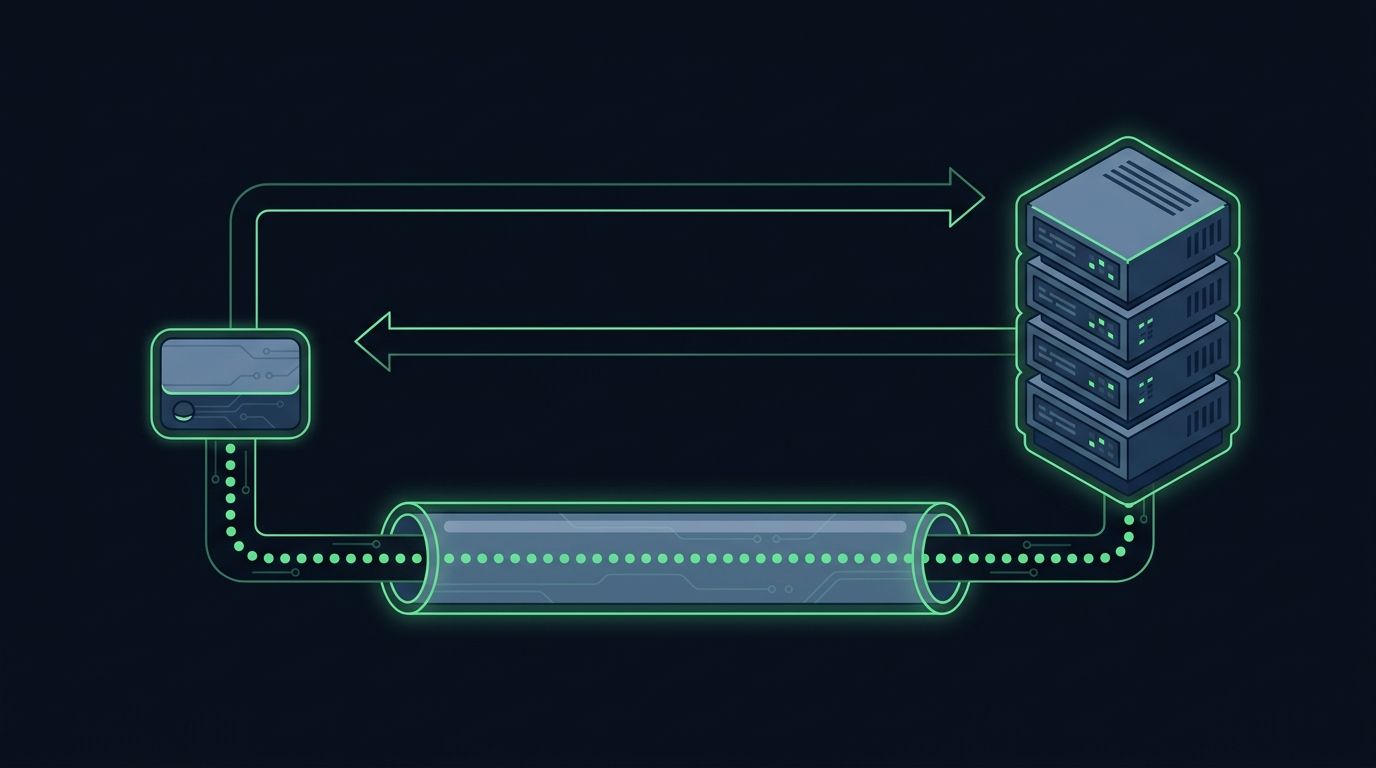
If you are wiring a strategy up to an exchange, one of the first technical forks you hit is WebSocket vs REST APIs on a crypto exchange. Both let your code talk...

You send an order to buy one Bitcoin, and the exchange fills 0.4 of it. The rest sits open, or gets cancelled, or fills seconds later at a worse price. If your...
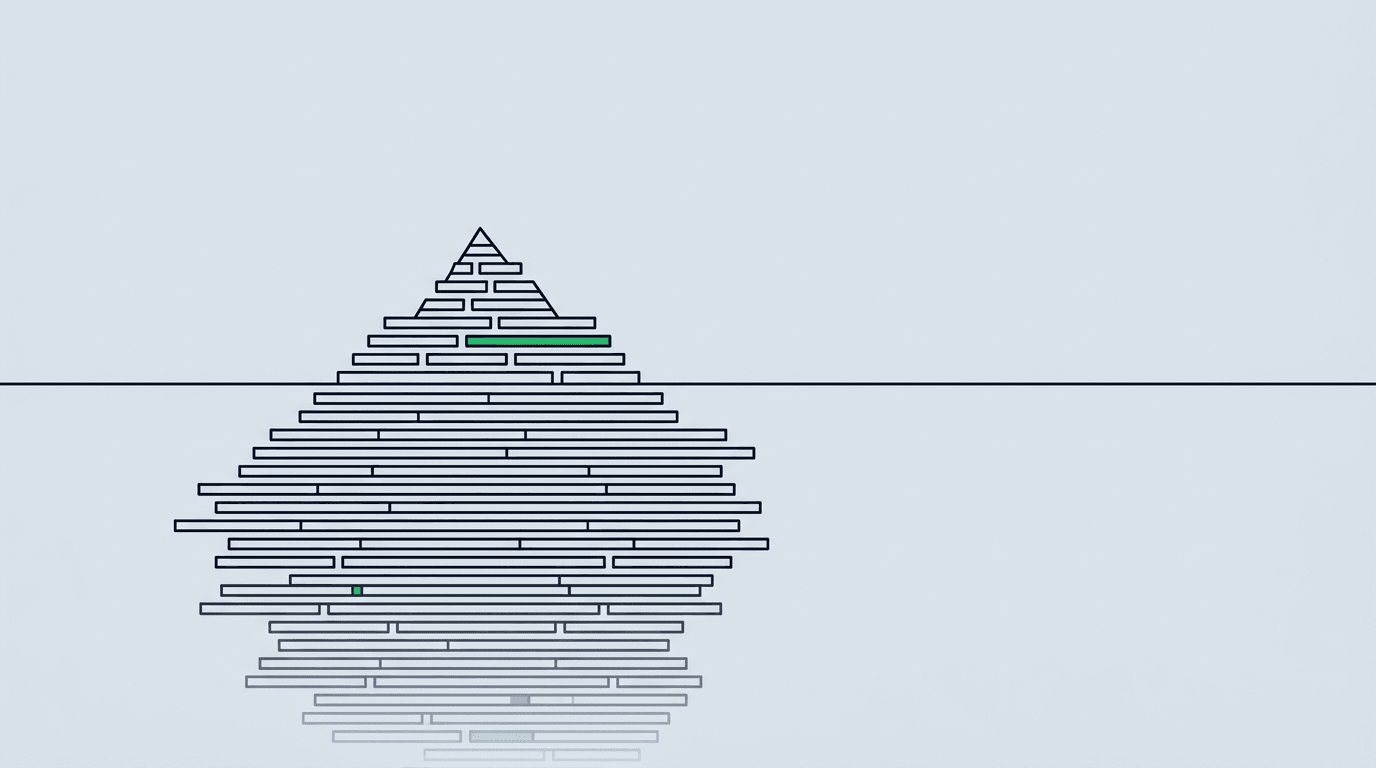
Watch a crypto order book long enough and you will see something odd. A price level shows only a modest amount of size, you send orders into it, and yet the le...
Non-custodial execution. Trade-only API keys. Independent infrastructure built for reliability.
Request Early AccessTrade-only API key enforcement. No withdrawal permissions. No custody.